
The Waiting Place
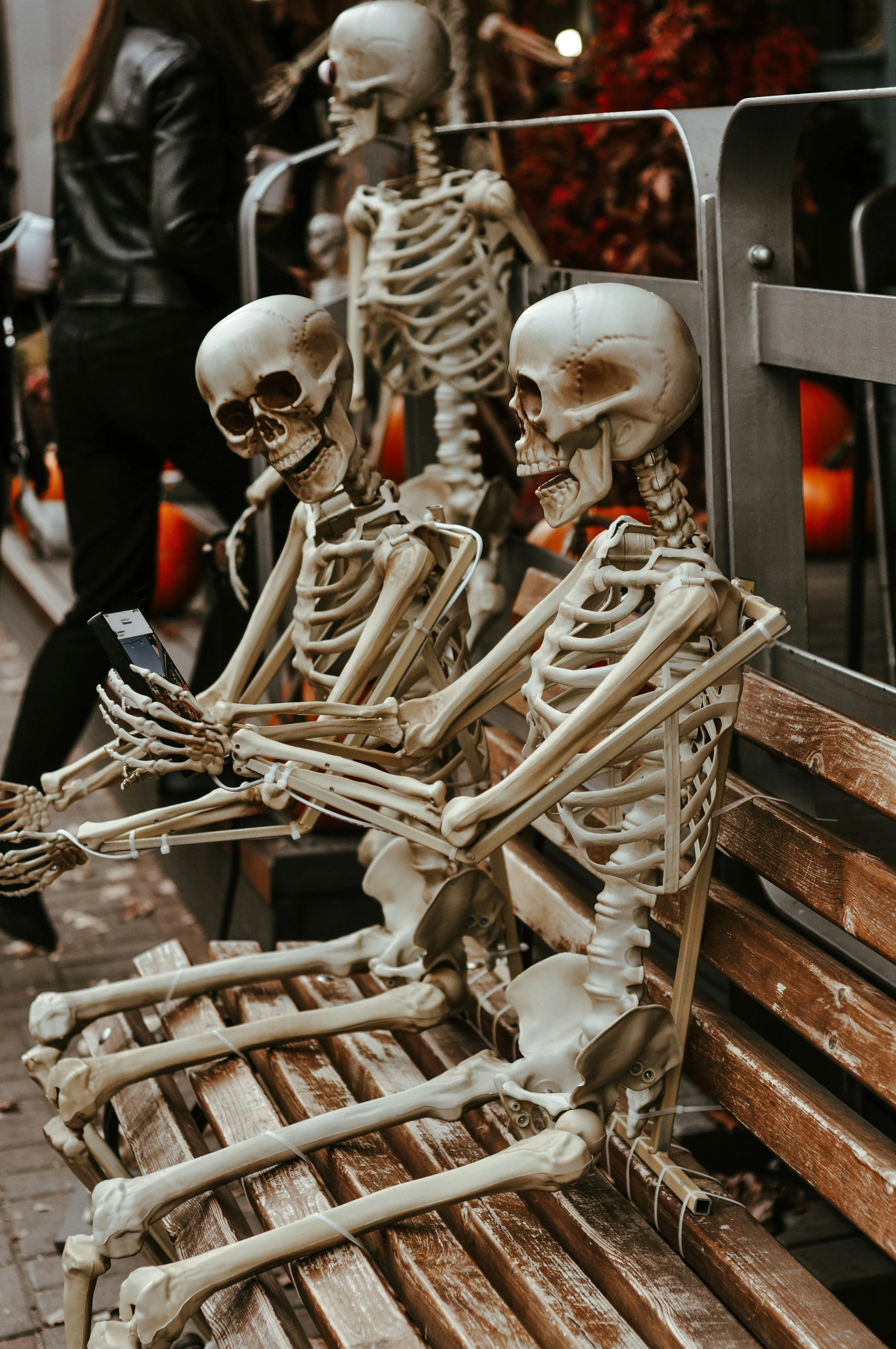
Photo by S L
What does it mean to be alive? What does it mean to exist in this time, as a human being living in the United States of America on this soil, in this particular moment where our sitting president has communicated via a tweet to the world a desire to annihilate, to genocide a whole group of people? What does it mean to live in such precarious, dark, inhumane, and cruel times, times shaped by engineered scarcity and division?
I recently sat with a client and we held that question together before we held anything else. And inside it, a quieter question rose: are we at least truly living each moment, as fully and as truthfully and joyfully as we can? Are we doing the things that make us feel really alive? How are we actually living?
This session lingered with me long after it ended because of how much I witness this in my work with others. We talked about the importance of embracing the present moment and what is preventing her from truly living. She shared that she struggles with the past — ruminating, longing, desiring companionship and that she finds herself feeling stuck, unable to move forward because she is waiting for a person to come before she can build her life.
And then she said it: “I just find myself waiting.” When I heard those words, I felt the weight of how many times I have heard some version of them, this week alone, and in my own life. Where we find ourselves putting off living today for tomorrow where we end up in that dreaded waiting place. It made me think immediately of Dr. Seuss's "The Waiting Place" from Oh, the Places You'll Go. What happens when we find ourselves there? Spinning our wheels, stuck in the muck and mire of our own lives.
“You can get so confused
that you’ll start in to race
down long wiggled roads at a break-necking pace
and grind on for miles cross weirdish wild space,
headed, I fear, toward a most useless place.
The Waiting Place...
...for people just waiting.
Waiting for a train to go
or a bus to come, or a plane to go
or the mail to come, or the rain to go
or the phone to ring, or the snow to snow
or the waiting around for a Yes or No
or waiting for their hair to grow.
Everyone is just waiting.
Waiting for the fish to bite
or waiting for the wind to fly a kite
or waiting around for Friday night
or waiting, perhaps, for their Uncle Jake
or a pot to boil, or a Better Break
or a string of pearls, or a pair of pants
or a wig with curls, or Another Chance.
Everyone is just waiting.”
— Dr. Suess - "Oh, The Places You'll Go!"
The waiting place is the certainty of what we know. It is the crossroads between life happening to us and us making life happen. It is the replaying of memories that felt good, keeping us suspended in time, tethered to what was instead of what could be. The fear of letting go because we cannot see what is on the other side. So many of us find ourselves stuck there — afraid to release the idea of something, weighed down by the pressure to be enough, to arrive at a certain status or level, to be ready enough, to be good enough. To be chosen. To have enough validation. To have the book published, the work recognized, before we give ourselves permission to move forward. Waiting for the doors to open, for the resources to appear, for the sign from God that now is the time. Waiting to look a certain way, sound a certain way. Waiting for others to come. Waiting for someone else to do it.
And the cost of staying there is real. Things that do not grow, perish. We continue cycles of unnecessary suffering carrying the quiet agony of a life unlived, of potential unrealized, of knowing somewhere deep inside that we are meant for more and not moving toward it. That gap between who we are and who we know we could be shows up in our bodies, in our relationships, in our sense of self. It becomes depression. Anxiety. Low self-esteem. A persistent insecurity that whispers we are not enough. And it does not stay contained to us — it ripples out. Into our families, our communities, the people watching us to see what is possible. When we wait, we do not just put our own lives on hold. We withhold from the world what only we can bring.
Whether we want to acknowledge it or not, our waiting place is greatly shaped by forces larger than ourselves. The political climate colors our upbringing, our sense of worthiness and value, our wounds around money, and our belief in what is possible for us. And when we look honestly at the cycles of suffering, violence, dehumanization, and oppression that leave so many people feeling despondent, confused, powerless, and exhausted, we have to reckon with something important: waiting is not only personal. It is also produced.
Systems that benefit from our smallness have taught us to fear what is possible. To believe that someone outside of us makes us, elevates us, tells us when we are ready. We have been conditioned to wait for things to be handed to us, for perfect conditions, for something or someone else to lead our lives rather than us rising to lead our own. And yet, even amid real constraint, there are places within us where we still hold agency over how we meet ourselves.
Where we decide to face ourselves honestly. Where we choose to take ownership of our lives in the spheres we do control. That interior movement, that refusal to also surrender the self, is its own form of power. Naming all of this is not an excuse to stay still. It is the beginning of understanding why the Waiting Place has such a hold on so many of us, and why leaving it is an act of resistance as much as it is an act of self-devotion.
Dr. Seuss wrote Oh, the Places You'll Go in 1990, and more than three decades later it is still alive in our collective psyche still being gifted at graduations, still being read to children, still landing with the quiet force of recognition in adults who know, somewhere in themselves, exactly what the Waiting Place feels like. That is because the patterns he named are patterns we keep cycling through, generation after generation, until we find the courage to do something differently. The Waiting Place is not new. It is inherited. And so is the way out.
One of the gifts of spring here in the American South is the beauty of impermanence. The quick blooms before the petals return to the ground. There is no negotiating with that timeline, no waiting for a better season to open. The flowers do not hold back their color until conditions feel more certain. They simply bloom fully, briefly and then they let go. Life moves the same way. This moment, right now, is the only one we are guaranteed. And given the precarious, uncertain, grief-saturated times we are living in, that truth can either send us deeper into the valley of the waiting place into despair, into resignation or it can become the very reason we choose, finally, to live.
These times are requiring something different from us. Something bolder. Something that takes us out of our comfort and back into our lives doing the things that make us feel alive, following our joy, learning to lead ourselves. Because when we do, we discover how powerful we truly are. We build the kind of confidence that cannot be given to us from the outside. And something else happens too: when we get unstuck, we remind others that movement is possible.
We become living proof that the patterns can be broken, that new models of what a life can look like are available to all of us. Our individual liberation has never been separate from our collective one. When we stop waiting, we build not just for ourselves, but for the people watching, for the communities we are part of, for the world we are trying to create together. We stop waiting to be ready. We stop waiting to be chosen. We stop waiting for the world to become less frightening before we allow ourselves to become more alive.
In what ways are you putting off your becoming for tomorrow?What is it costing you to stay in the waiting place?What becomes possible the moment you decide to move?
Let's free ourselves from the Waiting Place.
Joy Long is a mother, writer, healing artist, ecotherapist, and prosperity guide with over 15 years of clinical experience. She is the founder of Whole with Joy, a healing institute rooted in the belief that personal and collective transformation are deeply connected. Through education, embodied practice, and community, Whole with Joy offers new ways of being for those longing for deeper connection, more fulfilling relationships, and a life rooted in wholeness, meaning, and joy.
To learn more about Whole with Joy and its offerings, visit www.wholewithjoy.com