
Whole with Joy in Loíza, PR

“I think you travel to search and you come back home to find yourself there.” ― Chimamanda Ngozi Adichie
For years, I dreamed of Puerto Rico, the "Isle of Enchantment," and that November, I was finally blessed to step into that dream. I chased waterfalls, lost myself in the rainforest's embrace, and dipped into the ocean beneath a crescent moon. The magic was everywhere. Yet no place enchanted me more than Loíza, the Afro-Puerto Rican town that pulses as the island's truest heartbeat.
My journey through Puerto Rico was fulfilling, but it carried grief. The familiar, old grief of erasure. As my friend and I traveled from San Juan to El Yunque to Aguadilla, I witnessed a troubling absence. The presence of Afro-Puerto Ricans, especially those with darker skin, felt hidden. Images of whiteness dominated: White Jesus, White Santa Claus, European ideals everywhere. Meanwhile, the Black people who built Puerto Rico's foundation seemed rendered invisible.
On my final day, while browsing the souvenir shop at San Juan's airport, I discovered that Loíza, the very soul of Puerto Rico, was absent from the magnets and puzzles depicting the island. As a person of African descent, it left me furious. It has moved me to share what I found.
There's a part of me that wants to keep this gem my little secret. But Loíza's history, beauty, and traditions are too grand, too inspiring to keep to myself. I want to share my love for Loíza with the world. I'm in awe of how this town continues to emit light and resilience in spite of all she has endured. Loíza is a story that must be told.
As resident poet Helmen says in the Hulu documentary Your Attention Please: Loíza: "Loíza humble but rich, rich for its landscapes, customs, and incomparable traditions that are the pride of Puerto Rico."
Loíza is a gem whose essence should be known and experienced, especially by those of African descent. She is a beautiful reflection of who we truly are as a people.
My Highlights of Loíza:
History: Loíza, known as "The Capital of Traditions," is home to the largest population of Black residents on the island. Located on the northeastern coast, Loíza was established in the 16th and 17th centuries by West African people: both maroons (cimarrones) who escaped enslavement and claimed their freedom, and enslaved West Africans, primarily from the Yoruba tribe, brought by Spanish colonizers. The town's unique geography in the mangrove forests provided natural protection for those seeking refuge and freedom. As the "pride of Puerto Rico," Loíza tells the story of the island's true heritage, culture, and spirit.
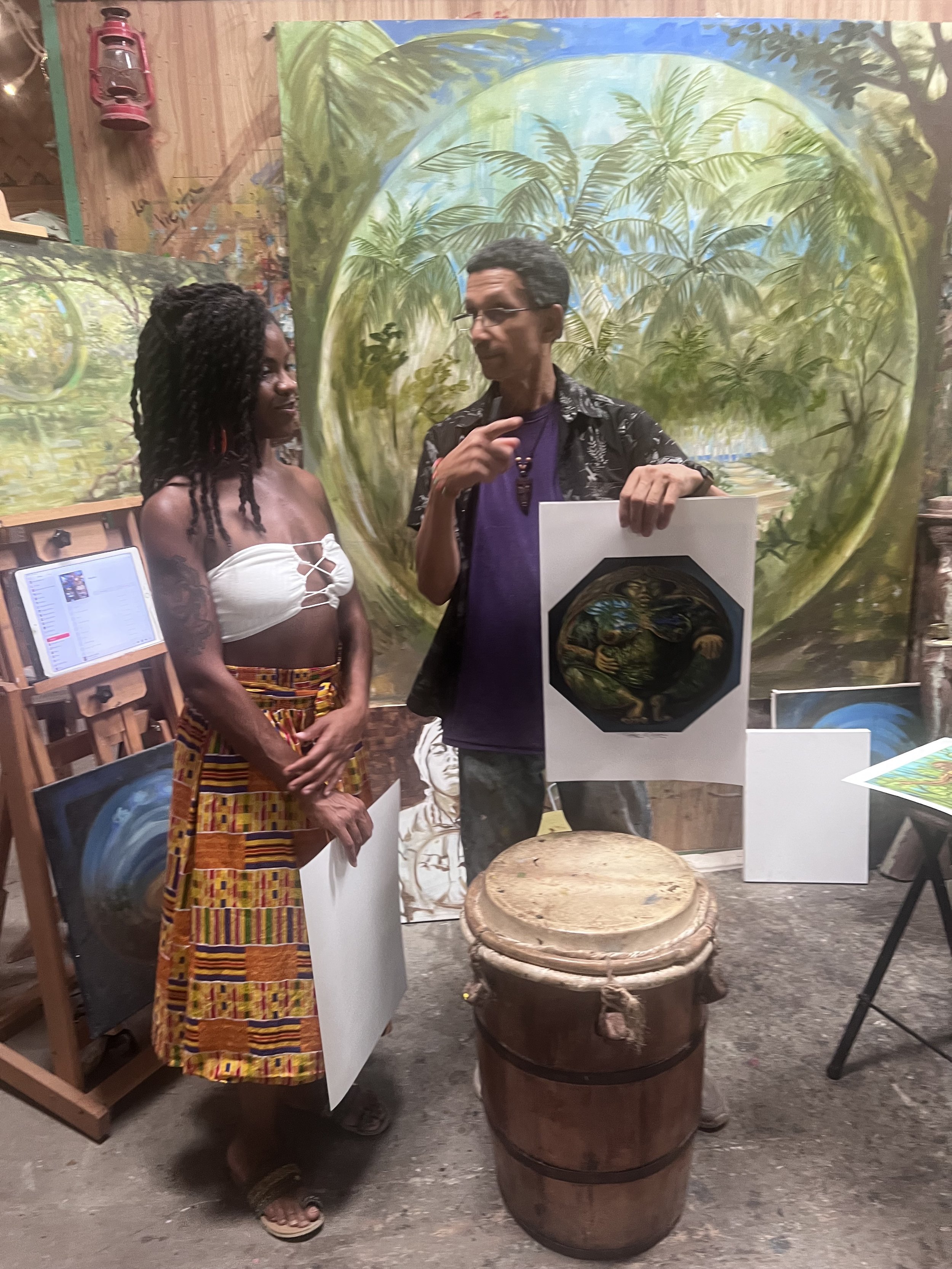
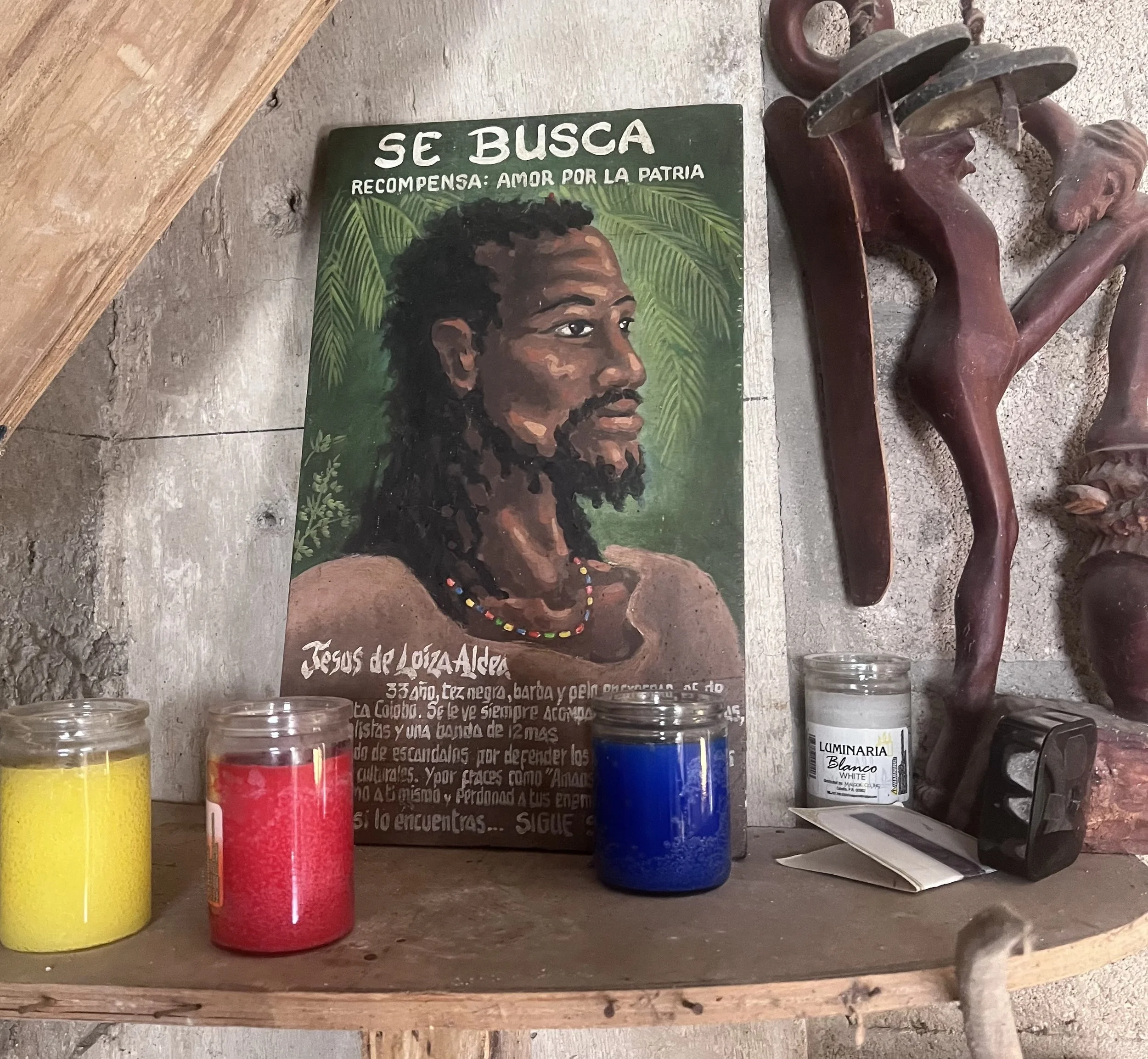
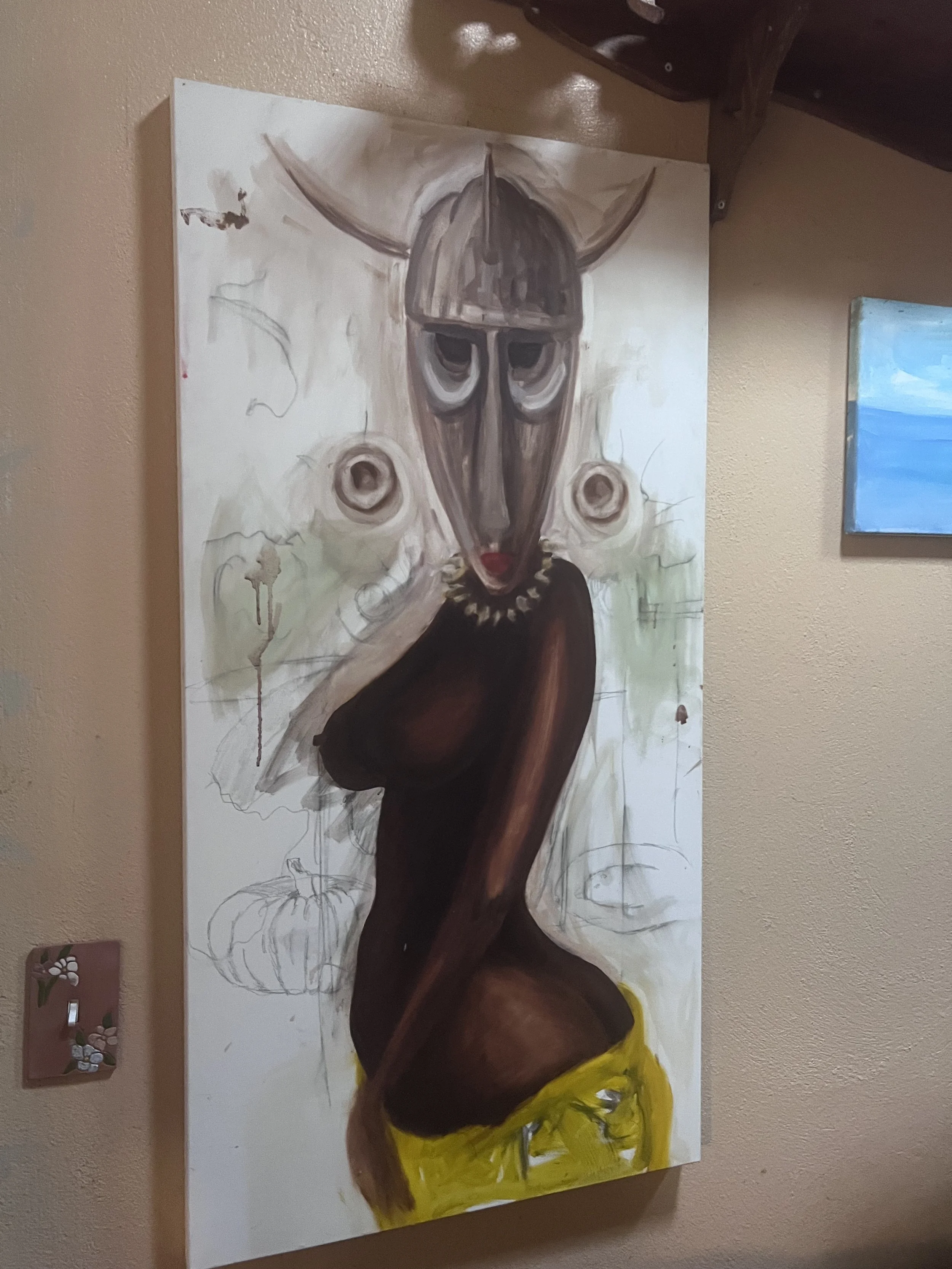
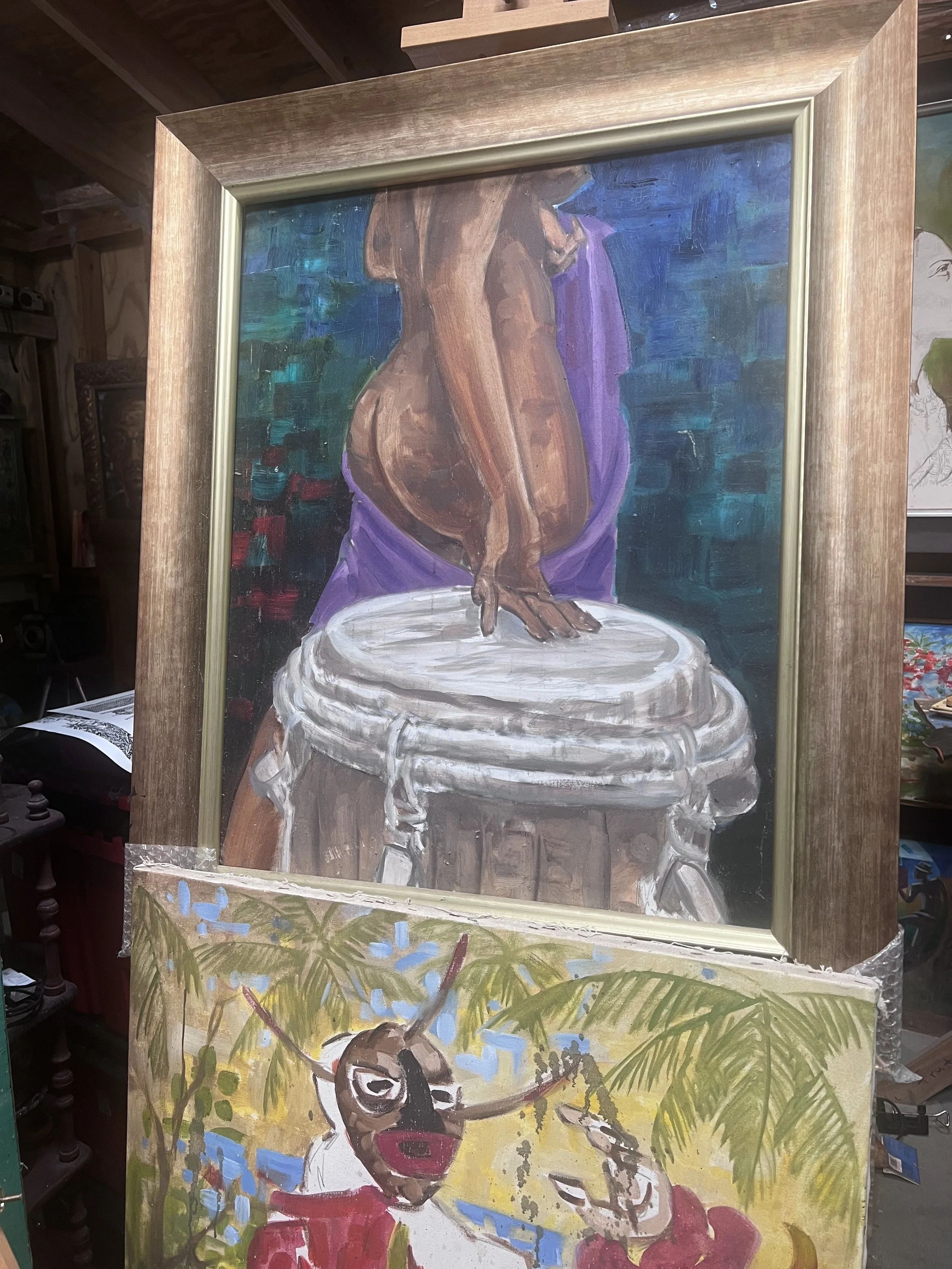
Art: We visited the home and art studio of renowned Puerto Rican visual artist and cultural worker Samuel Lind. When I asked about his inspiration, he gestured to the walls around us and said simply: "My roots." Samuel Lind's passion, commitment, and love for Loíza were evident in every stroke, every sculpture. His studio is an intimate journey through the history and people of Loíza, spanning decades of work in painting, screen printing, and sculpture, all capturing the culture with reverence and fire.
I left his studio curious, proud, and inspired, carrying some of his artwork home with me so the àṣẹ of Loíza could continue to move through my life.We were able to visit & explore the home/art studio of renowned Puerto Rican artist, memory worker, & visual historian Samuel Lind. During the tour of his studio, I asked him about his inspiration for his work & he replied the words that were reflected all around me “my roots.” Samuel Lind’s passion, commitment, and love for Loíza was evident & each visitor is invited into a intimate journey through the history & people of Loíza through his work. Lind’s exhibits decades of his work capturing the culture of Loíza through the mediums of painting, screen printing, and sculpturing. I left his studio with a sense of curiosity, pride, and inspiration & purchased some of his art work to bring the àṣẹ of Loiza back home with me.
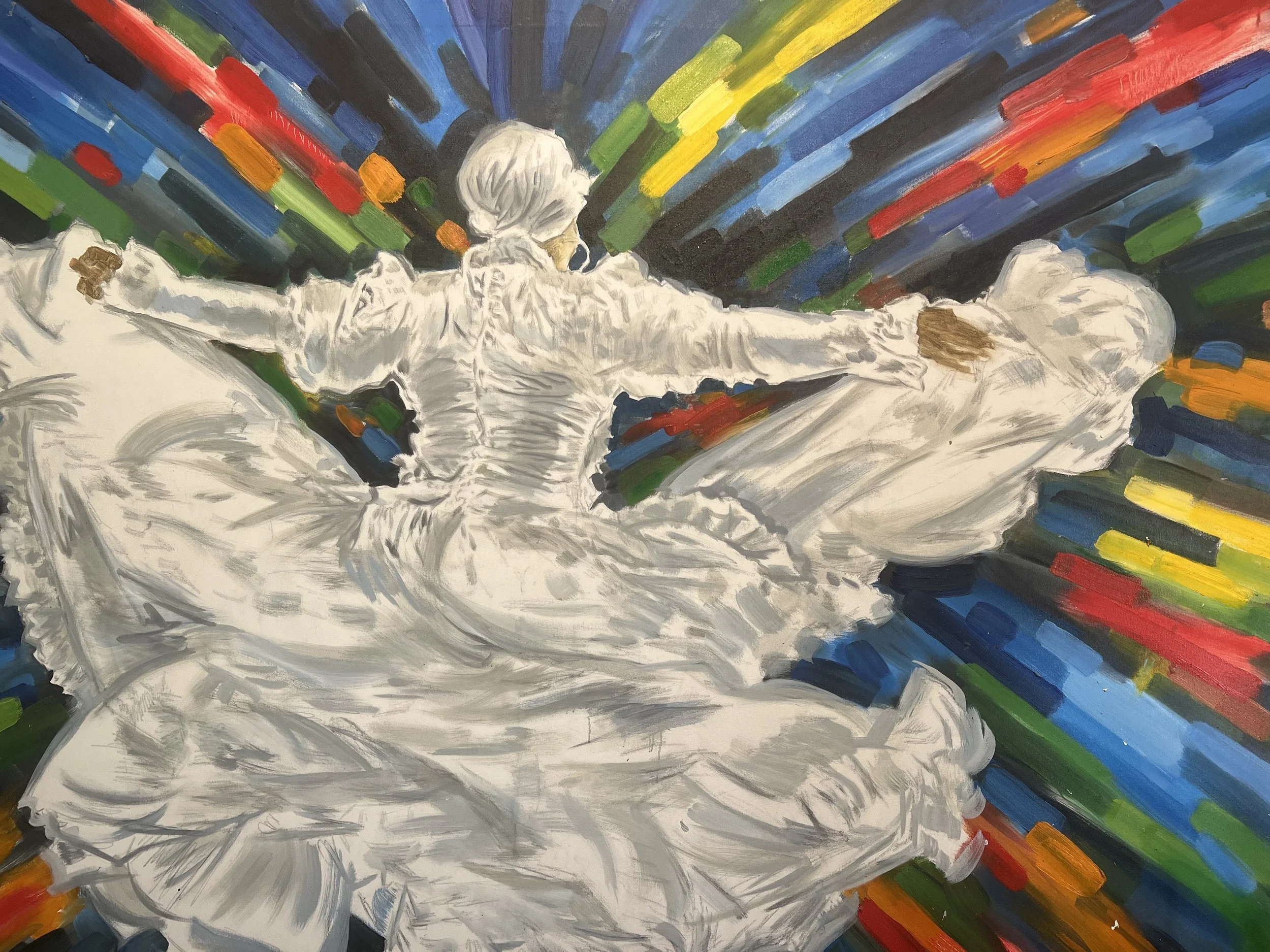

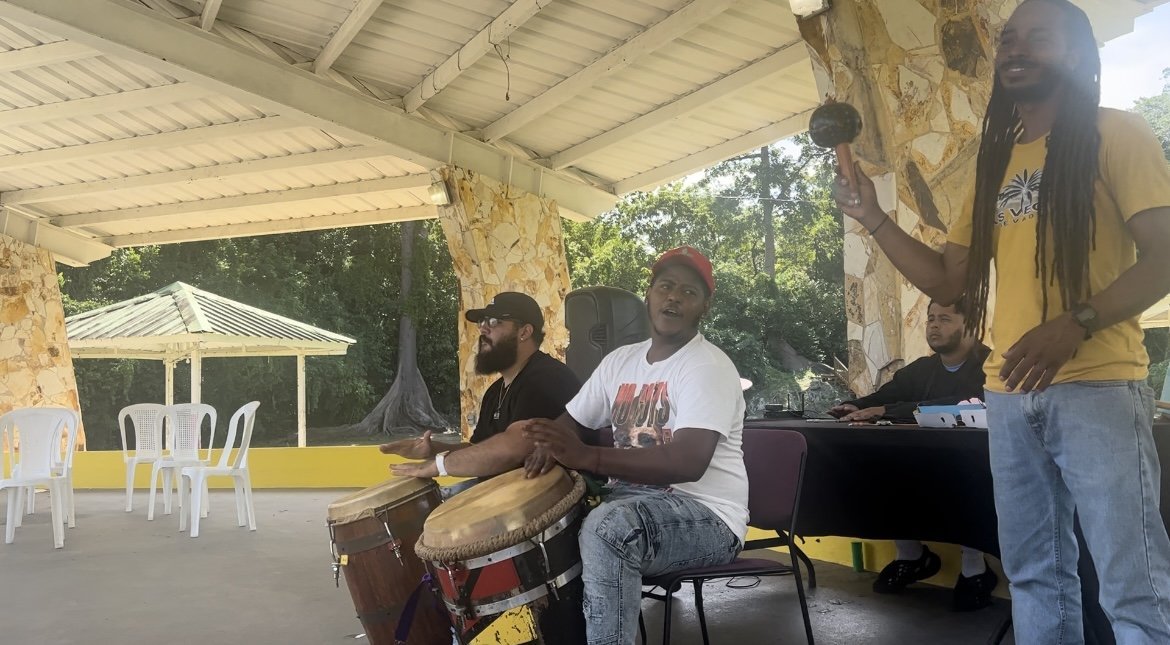
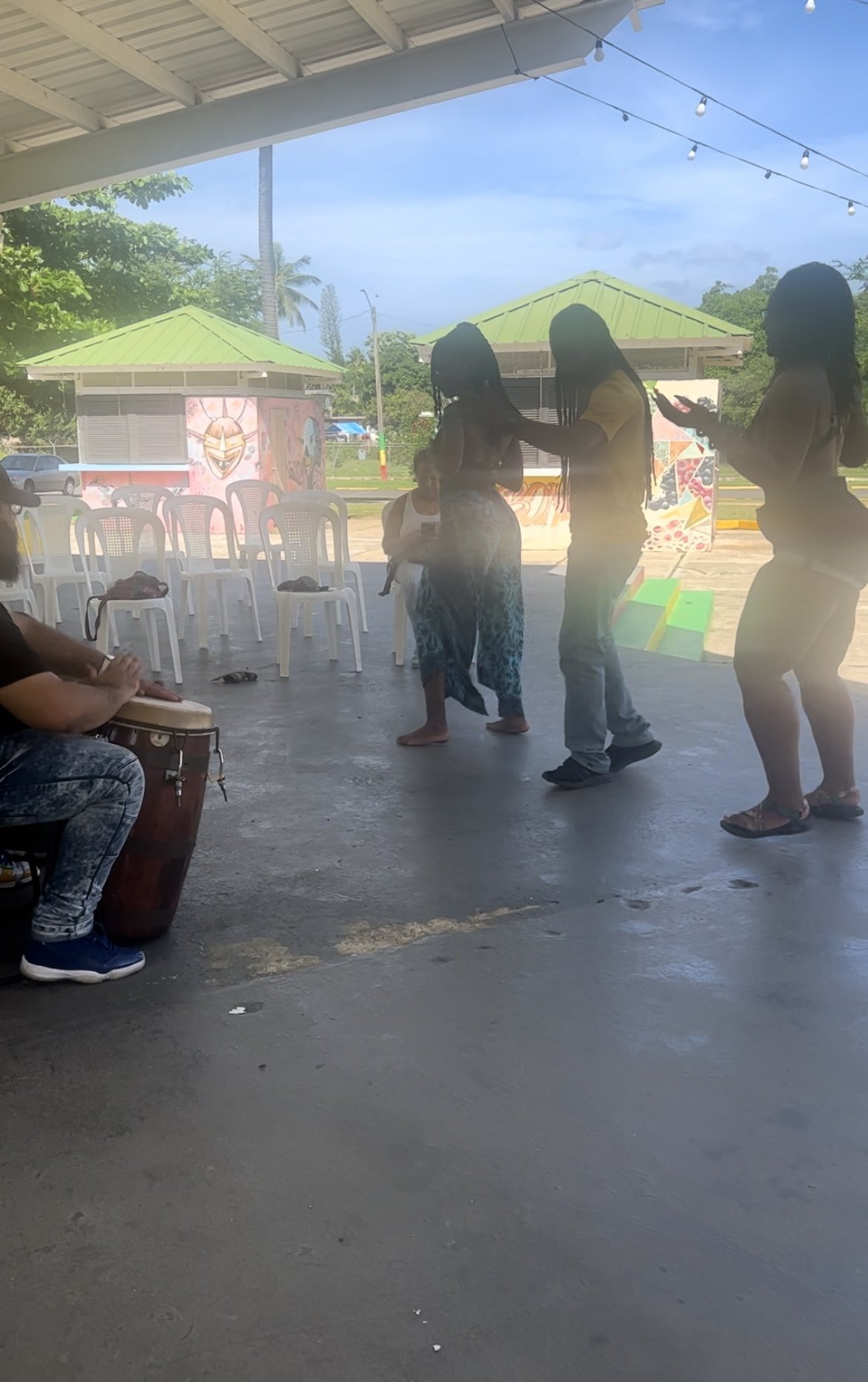
Bomba: On the last day of our trip, while exploring a cave at María de la Cruz recreational area and park, my friend and I stumbled upon a community bomba lesson. We were taken on a sonic journey through Puerto Rico's rhythms, ending with bomba music in Loíza, its birthplace.
Bomba was born as resistance. Dating back to the 1600s and 1700s during the Spanish colonial period, it emerged on sugar plantations as a place of fellowship and ritual emotional release where enslaved Africans gathered to move, shake off, and stomp out the pain of their conditions. Bomba has been preserved through generations and continues to be both protest and healing for Afro-Puerto Ricans.
Learn bomba: COPI cultural center located in Piñones
https://www.youtube.com/watch?v=ZummXOaoXuo
https://artscanvas.org/arts-culture/rooted-in-resistance-puerto-ricos-bomba-honors-black-lives
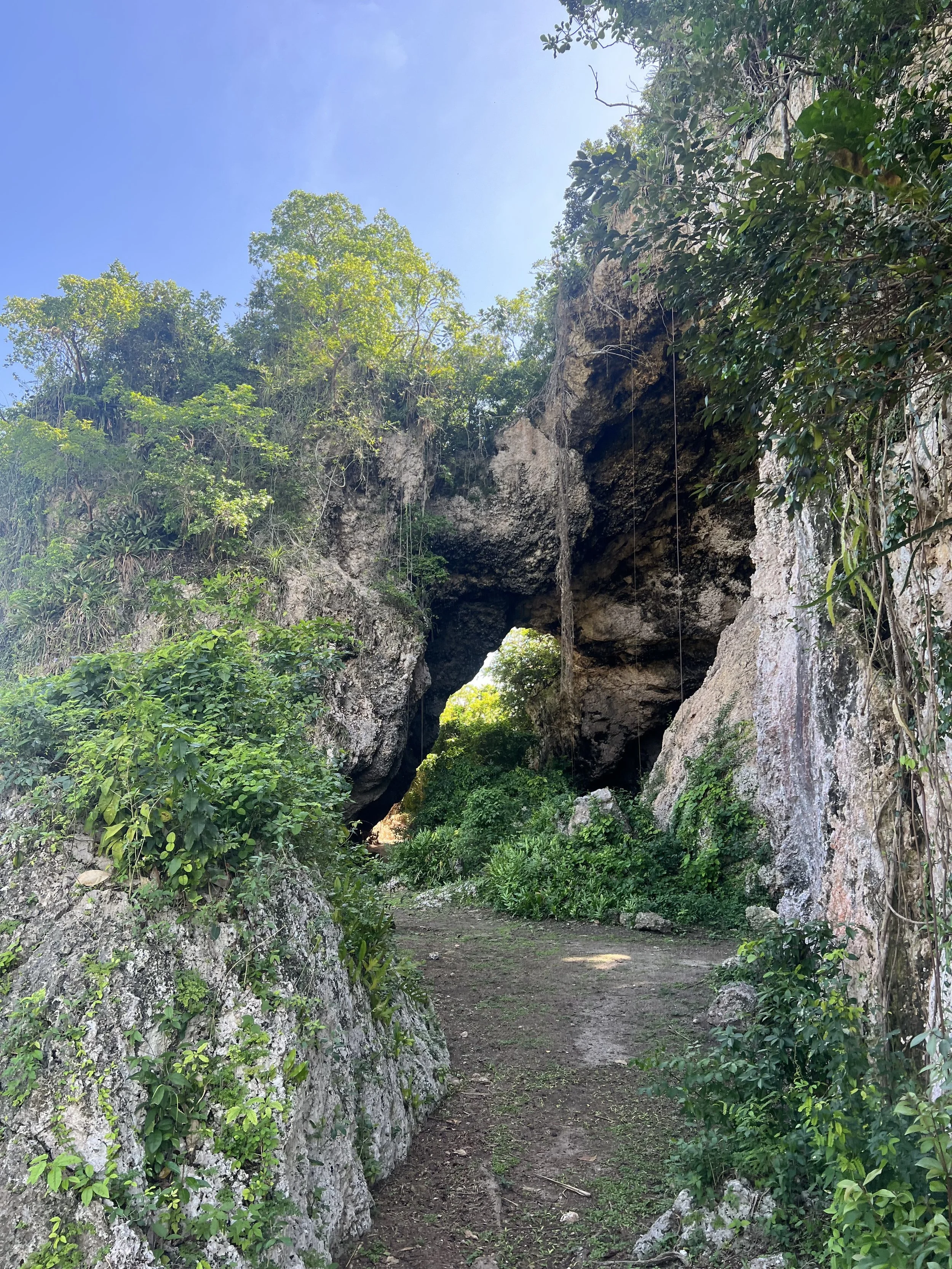
Nature: As “Helmen” tells us, Loíza is home to beautiful landscapes ranging from multiple beaches, a cave, and mangrove forest. I enjoy exploring caves and was fortunate to visit the cave located at the María de la Cruz recreational area and park in Loíza. While there we were able to tour the cave and learned about it’s archeological history. We learned the cave is in a mogote, a small karstic rock hill that was discovered in 1948 & holds the remains of the first inhabitants of Puerto Rico that date back to 4000 BC. We were able to view Taino artifacts & meet the stunning, ancient Ceiba trees on the land. We were also able to check out the Piñones beach in Loíza which was a great area for swimming because it’s located where the mangrove forest & beach dunes connect creating tide pools for magical water play.
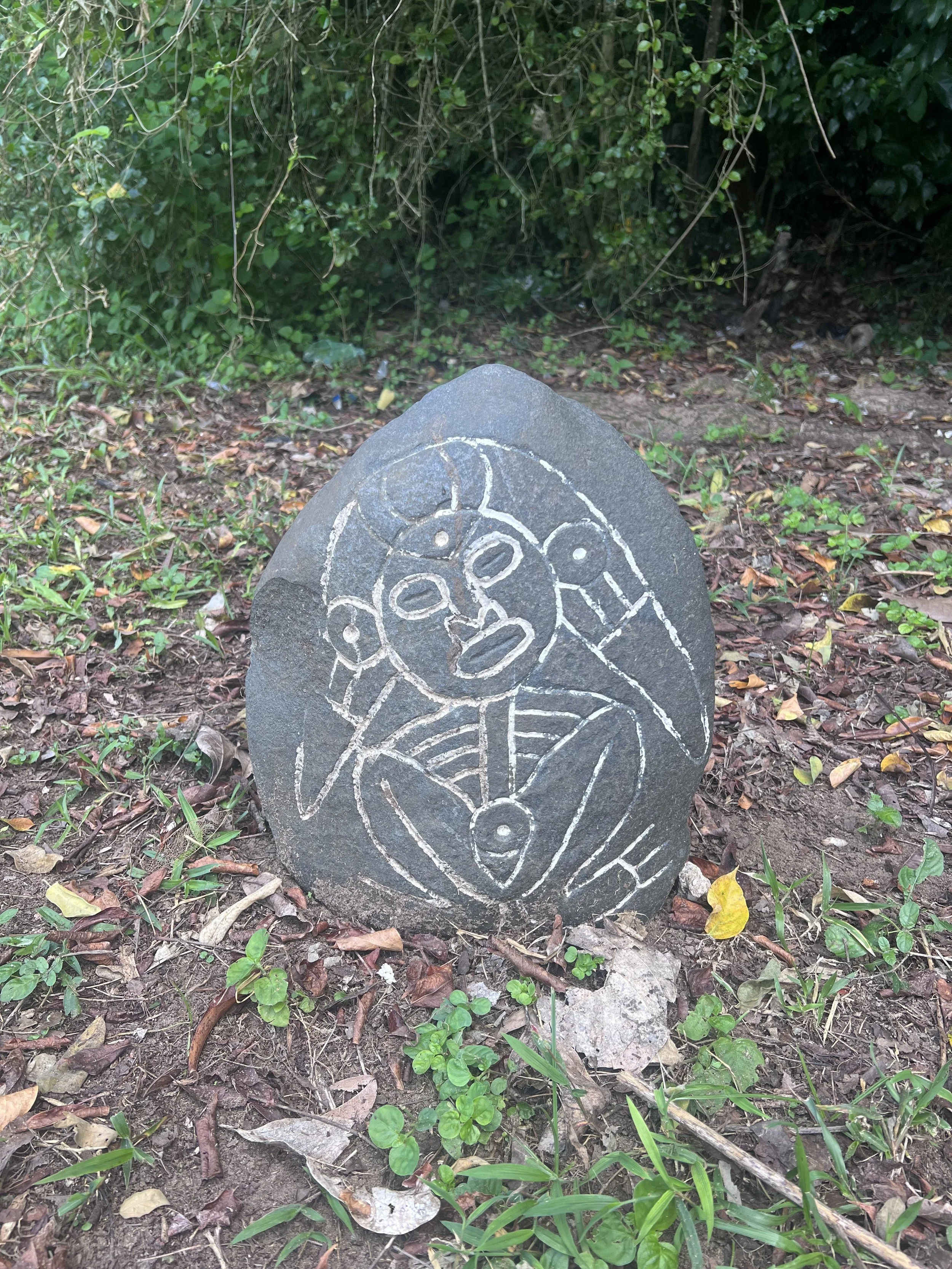
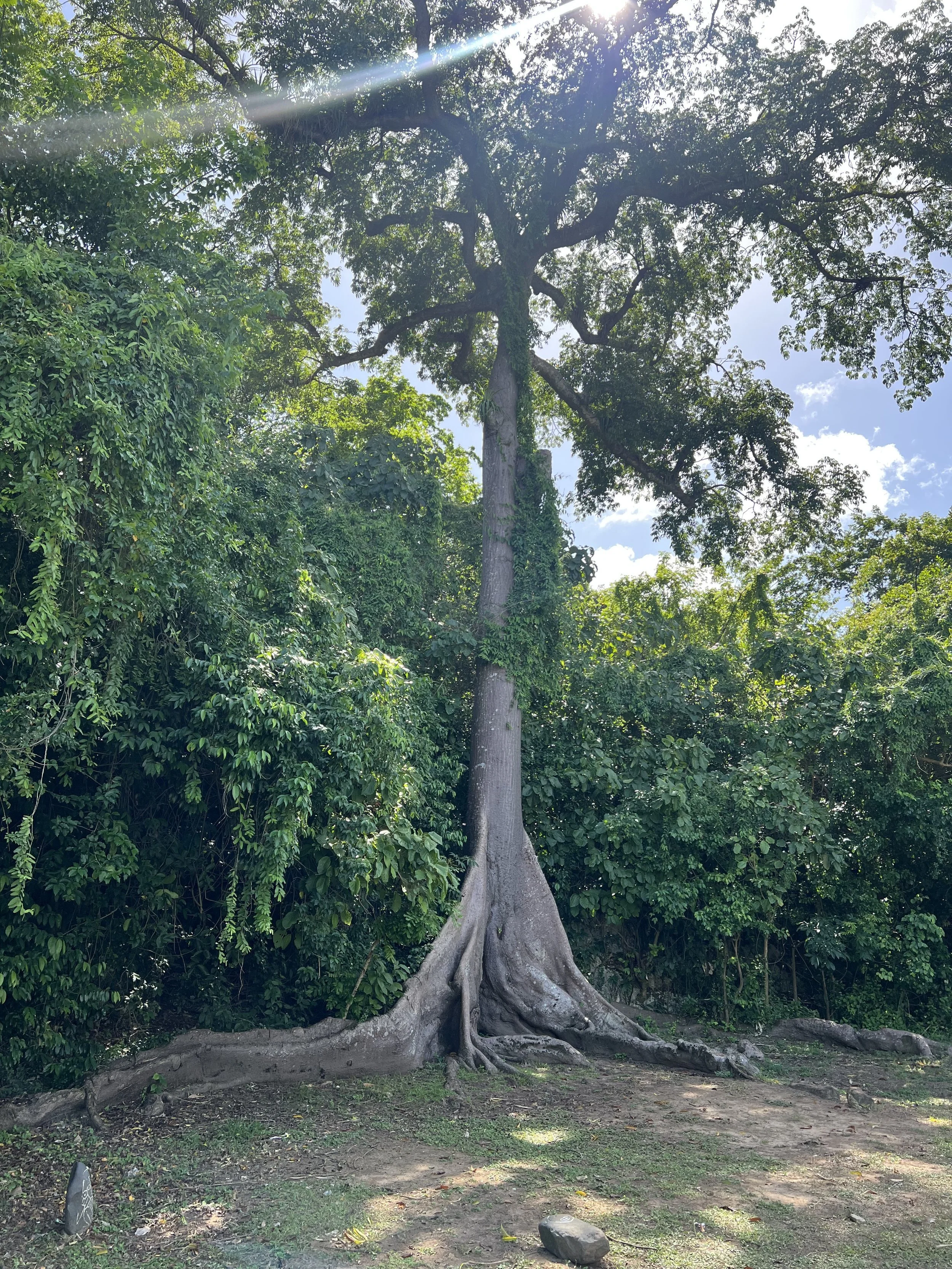
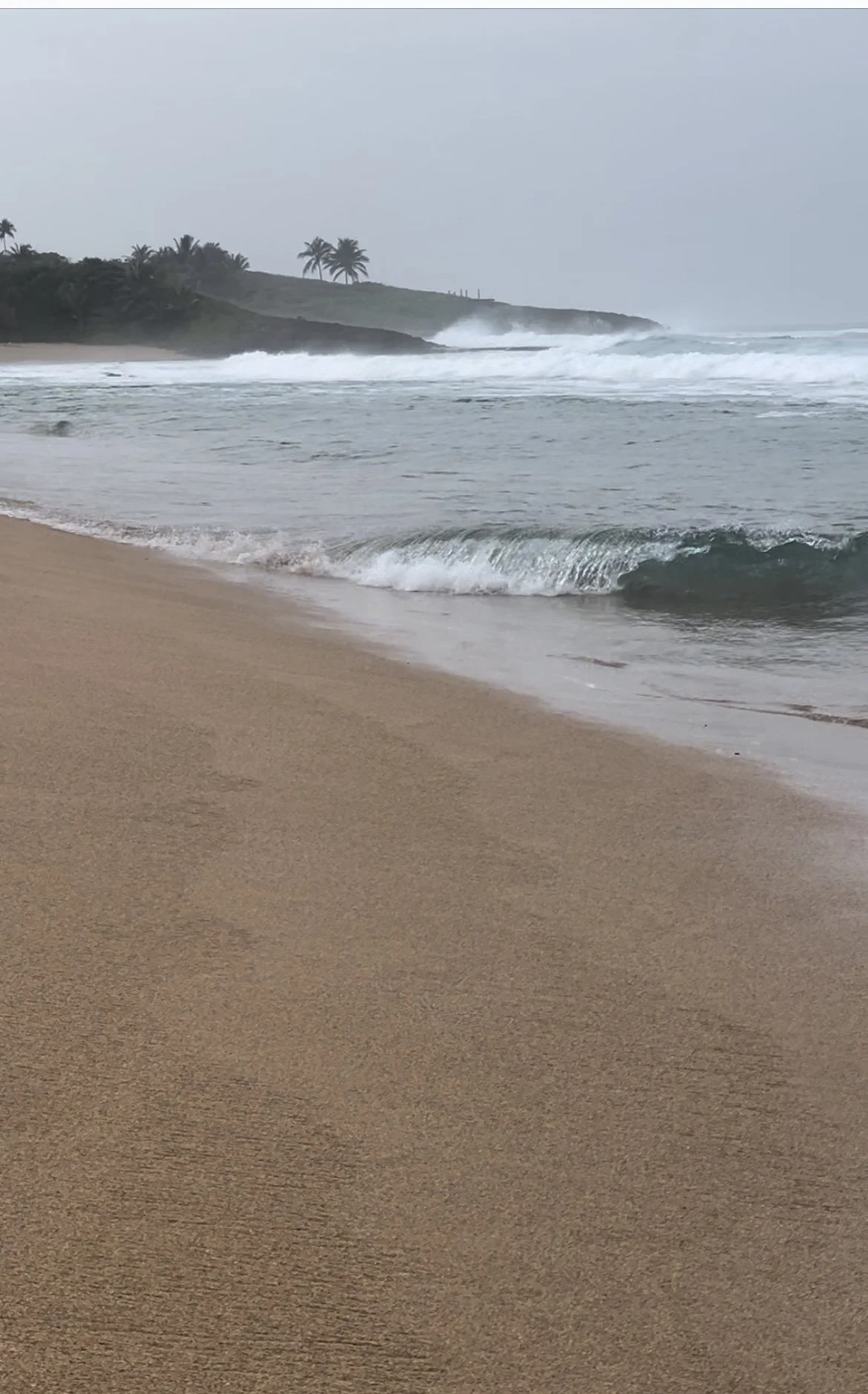
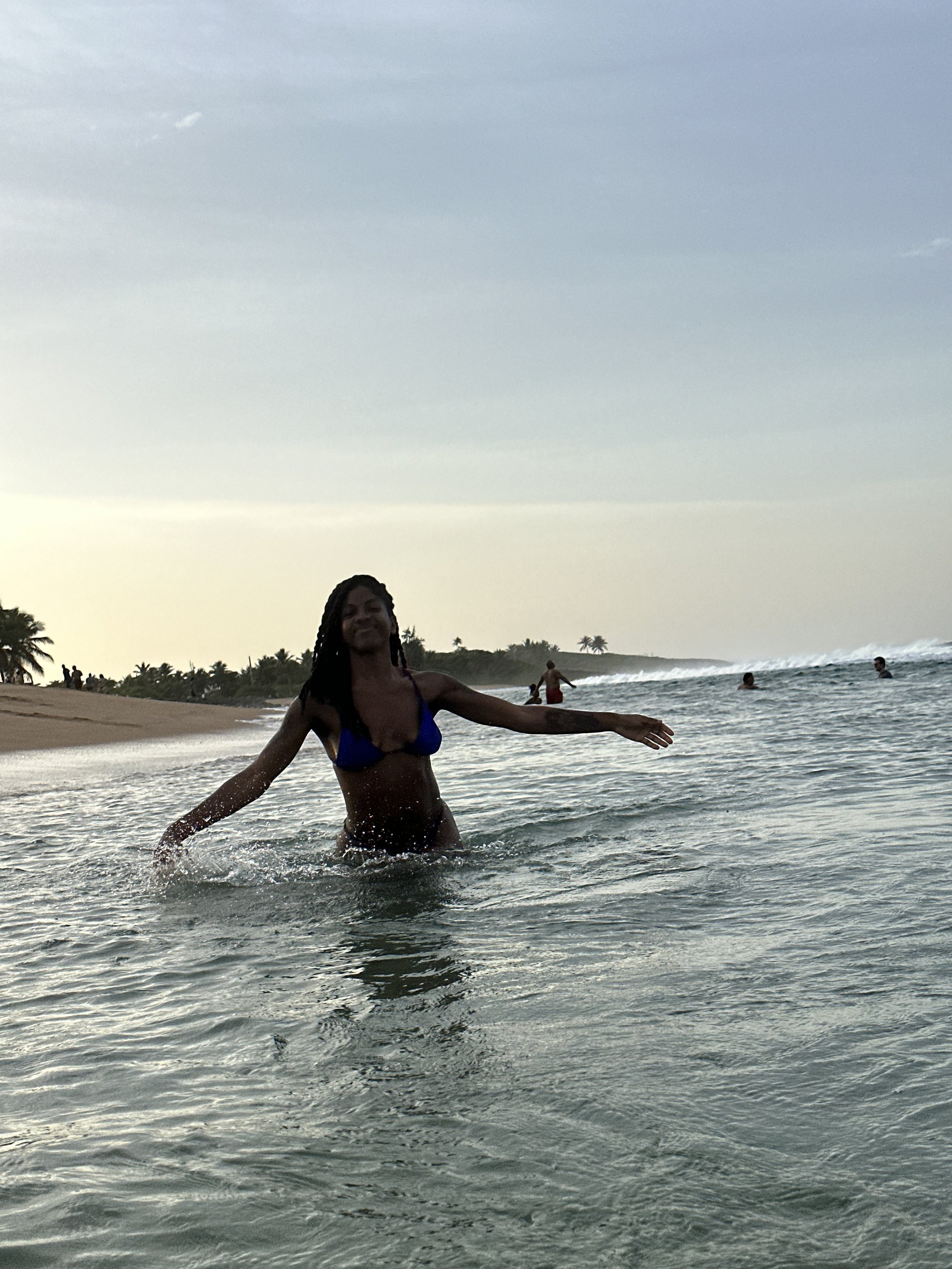
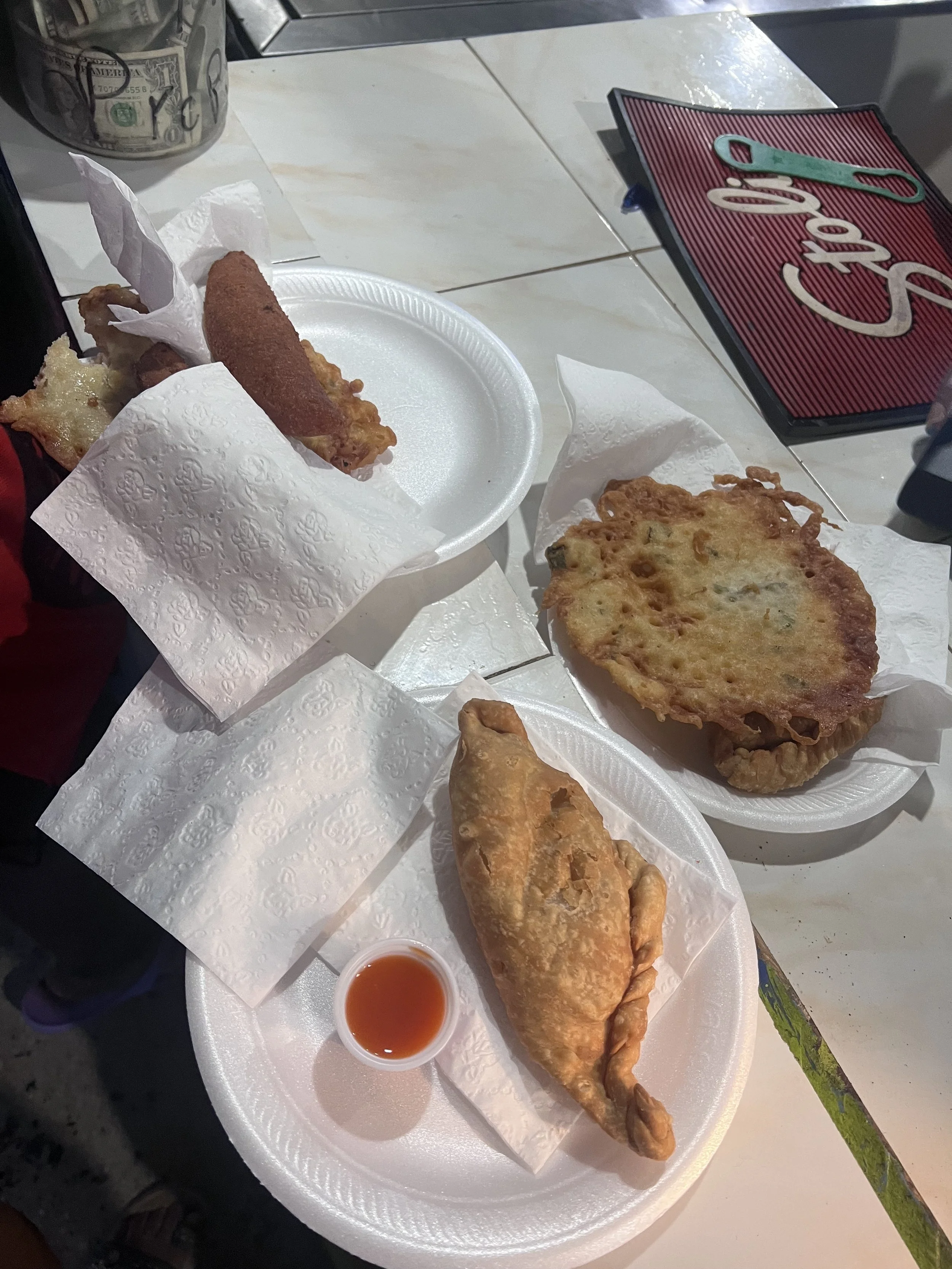
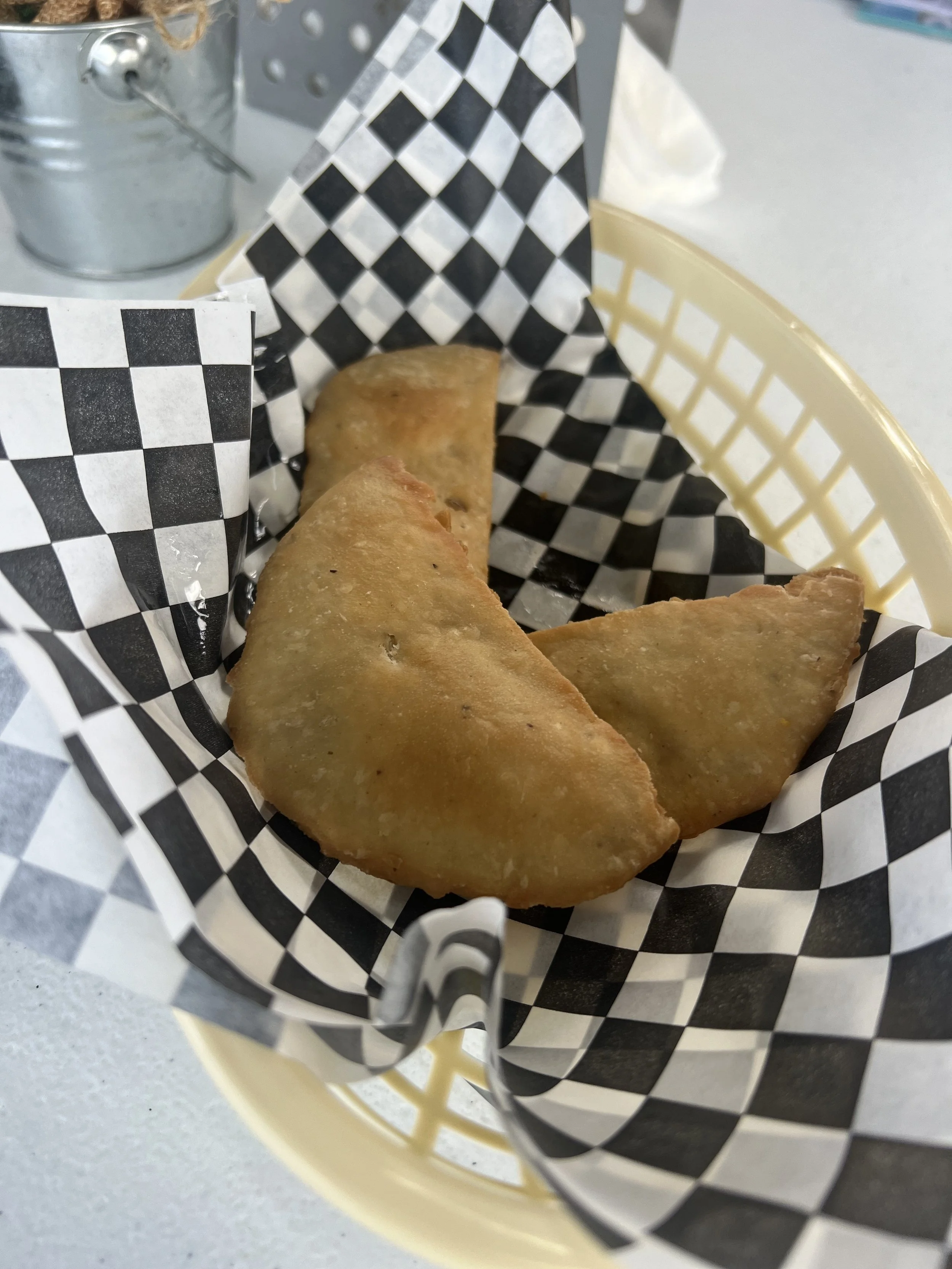
Food: I did not have nearly enough time to eat the way I wanted while in Loíza. However while there, I was able to experience the buttery, fried goodness of the frituras with a pina colada frappe while we were in Piñones. The most memorable eating experience was discovering a neighborhood, family-owned restaurant that served the BEST food. My mouth waters as I think about the freshness, flavor, & love poured into our food. And then…that COCONUT BREAD, I am shedding tears just thinking about how divine that food was. It was so delicious, that I had to pack a few pieces of bread in my backpack for the flight back home.
Don’t Miss: ORLY & YAY Pinchos y Algo Mas


When I think of Loíza, I think of the three words I saw on a sign at a central gathering spot, the Taller de Bomba N’Zambi, which read Orgullo Afrolatino: Orgullo, Identidad, y Dignidad — pride, identity, and dignity. When I read those words, something ancient stirred in me. I felt belonging wash over me like water, a sense of home I am always searching for when I travel. That deep, cellular recognition that knows: your people have been here, your people are still here, you are not alone. A connection point beyond language, beyond geography. Something in my spirit knew the spirit of this land, knew the resilience of these people, knew the rhythms their bodies still carry. These three words summed up my sojourn to Loíza.
I left not only feeling seen but held by the people of Loíza, by their warmth, their welcome, their refusal to let their story be forgotten. One can feel the pride, warmth, and strength of the people of Loíza upholding their traditions even from spending a short time there. I experienced it as a place of coming home where my body felt known. At ease. At home.
I can’t wait to return to Loíza. Until then, I will forever hold Loíza in my heart and I hope you may experience the grandeur of Loíza for yourself one day.
I invite you to research more about Loíza. Explore her culture. Witness her beauty for yourself. Let her story become part of yours, as she has become part of mine.